Springtime wildlife in the River Park at Levenmouth
As March unfolds, the River Park is beginning to stir with the quiet, but unmistakable, signs of Spring.
One of the most striking sights is the appearance of soft, silvery catkins on the goat willow. These fuzzy blooms are among the earliest flowers produced by our native trees.
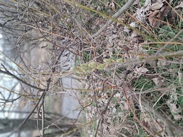
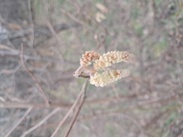

They play a crucial role in the ecosystem, providing an essential food source for insects emerging after the colder months. In the coming weeks, these catkins will transform into seeds surrounded by delicate, cotton-like fluff. This clever adaptation allows the seeds to be carried on the wind, while many will also fall into the river and be transported downstream, helping willows naturally spread along wet ground and riverbanks.
Equally eye-catching is the thorny blackthorn shrub Blackthorn (Prunus spinosa) Photo below.
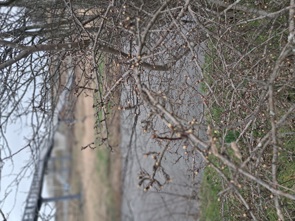
This hardy native species is invaluable for wildlife. It produces some of the first blossoms of the season, offering nectar to early pollinators when little else is available. Later in the year, it will bear sloes—small, dark fruits that are an important food source for birds and are also famously used to make sloe gin in autumn. Its dense, spiny structure also makes it an excellent refuge for nesting birds.
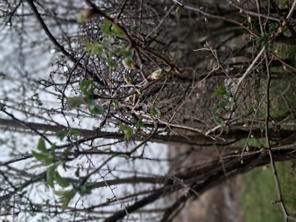
Photos below capture another member of the Prunus family, likely plum or cherry, just beginning to come into leaf. These trees and shrubs add to the diversity of the site, offering early blossom for pollinators and, later in the year, fruit for birds. Their presence contributes to a richer and more resilient habitat.
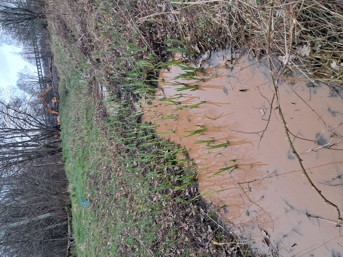
In the wetter, muddier areas of the park, photo to right reveals the first shoots of yellow flag iris pushing up through the soil. This wetland plant is commonly used in restoration projects, and for good reason. It provides valuable habitat for amphibians and aquatic insects, helping to establish a thriving wetland ecosystem.
Taken together, these emerging plants paint an encouraging picture of the River Park’s development. The combination of wetland vegetation and scrub habitat is particularly beneficial for wildlife. As Spring progresses we hope to see a noticeable increase in bird activity, with many species beginning to establish territories and prepare for breeding. Dense shrubs like Blackthorn should offer safe nesting sites, while the growing abundance of insects in wetland areas will provide vital food for raising chicks.
It’s exciting to witness these early stages of transformation. Each new leaf, flower, and shoot is a sign that the habitat is taking shape, supporting a wider range of species and bringing the River Park to life once again.